LogIt.
Personal project · Currently building
Overview
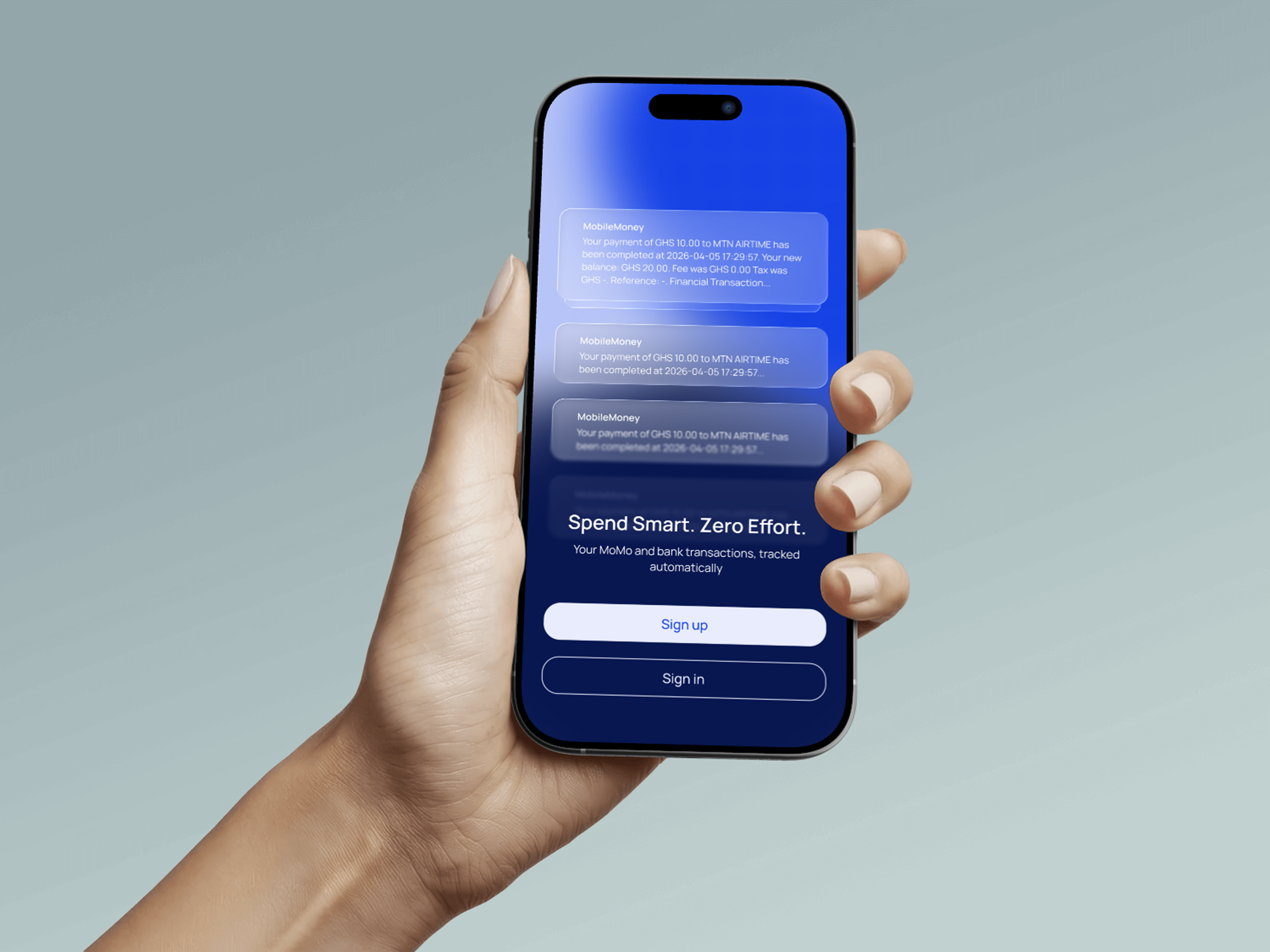
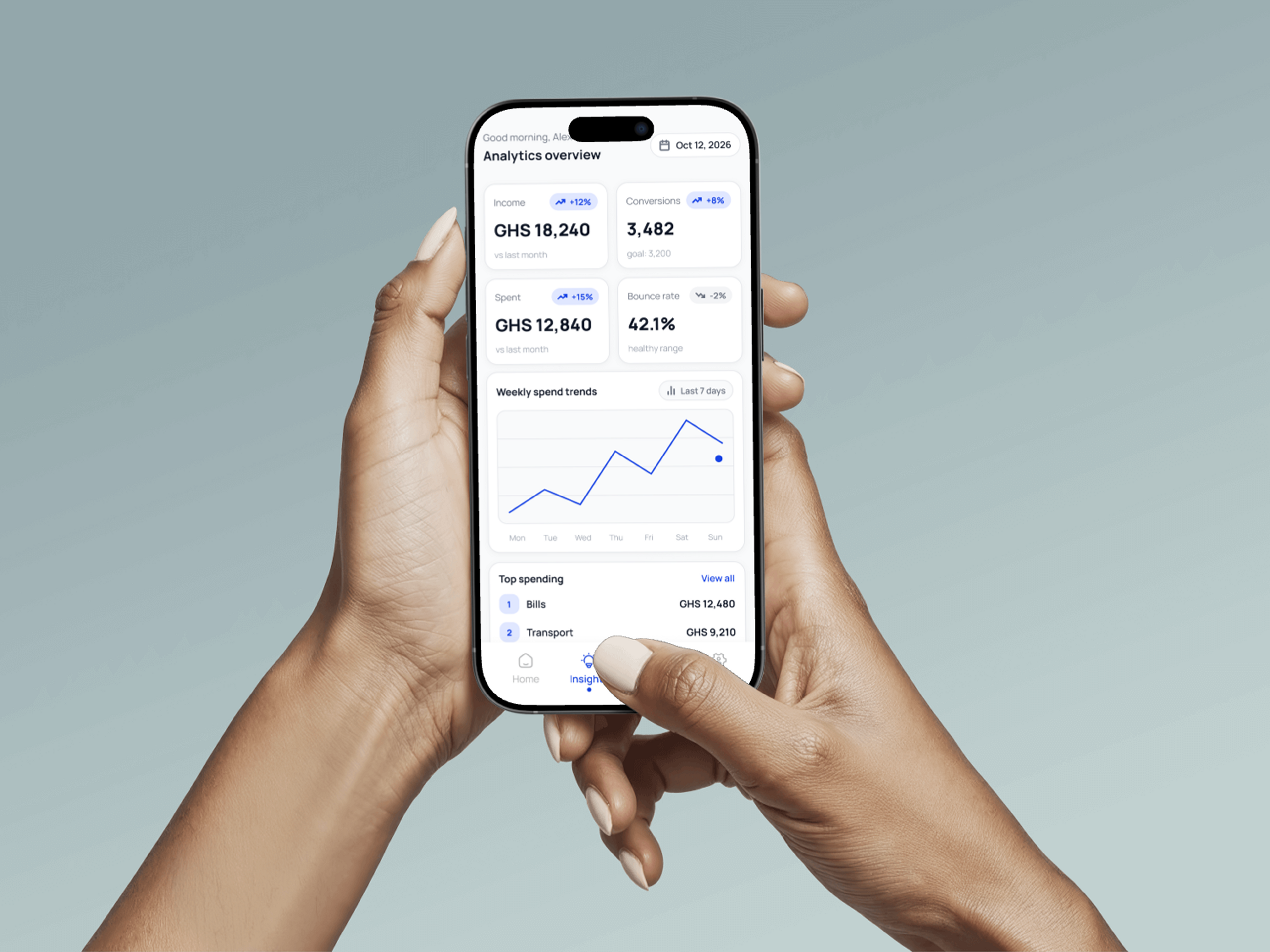
The manual logging era is over. LogIt is a zero-friction financial system that turns MoMo SMS receipts into an honest, automated source of truth for the Ghanaian mobile money generation.
In mature markets, fintech apps rely on Plaid or bank APIs to sync transactions. In Ghana, the "bank" is Mobile Money (MoMo). It's fast, ubiquitous, and completely closed off from third-party apps, so I designed and built the bridge myself.
A zero-touch financial record for a market with no banking APIs, parsed straight from the SMS receipts everyone already has.
Context
A market without APIs.
Every MoMo transaction triggers an SMS receipt. This is the only digital record millions of people have. But these messages are scattered, unformatted, and eventually buried in a crowded inbox.
"Data Decay" kills manual logging.
Manual logging fails because if you miss just two days, your entire monthly balance is inaccurate. Most people simply give up, so the record millions of Ghanaians rely on for their own money stays fragmented by default.
The Problem
This wasn't going to be a typical logging app.
No API, no shortcuts (yet).
Without transaction APIs, the only reliable signal is the SMS receipt itself, and reading a user's messages from within a normal app is exactly what mobile OS sandboxing exists to prevent.
- Would need permissions Apple does not grant to normal apps.
- Blocked entirely by iOS sandboxing, not just discouraged.
- No path to App Store distribution even if it worked.
- Runs at the OS level, outside the app sandbox restriction.
- Triggers automatically on incoming SMS, no user action needed.
- Feels like a native background listener once set up.
[Placeholder] Room for a fuller constraints breakdown here, e.g. specific regex edge cases across MoMo message formats and offline handling, once documented in detail.
The System
Turning text into intelligence.
Hacking the sandbox.
Apple's security model prevents apps from reading your messages. On Android, this project would be trivial. On iOS, it required a system-level rethink.
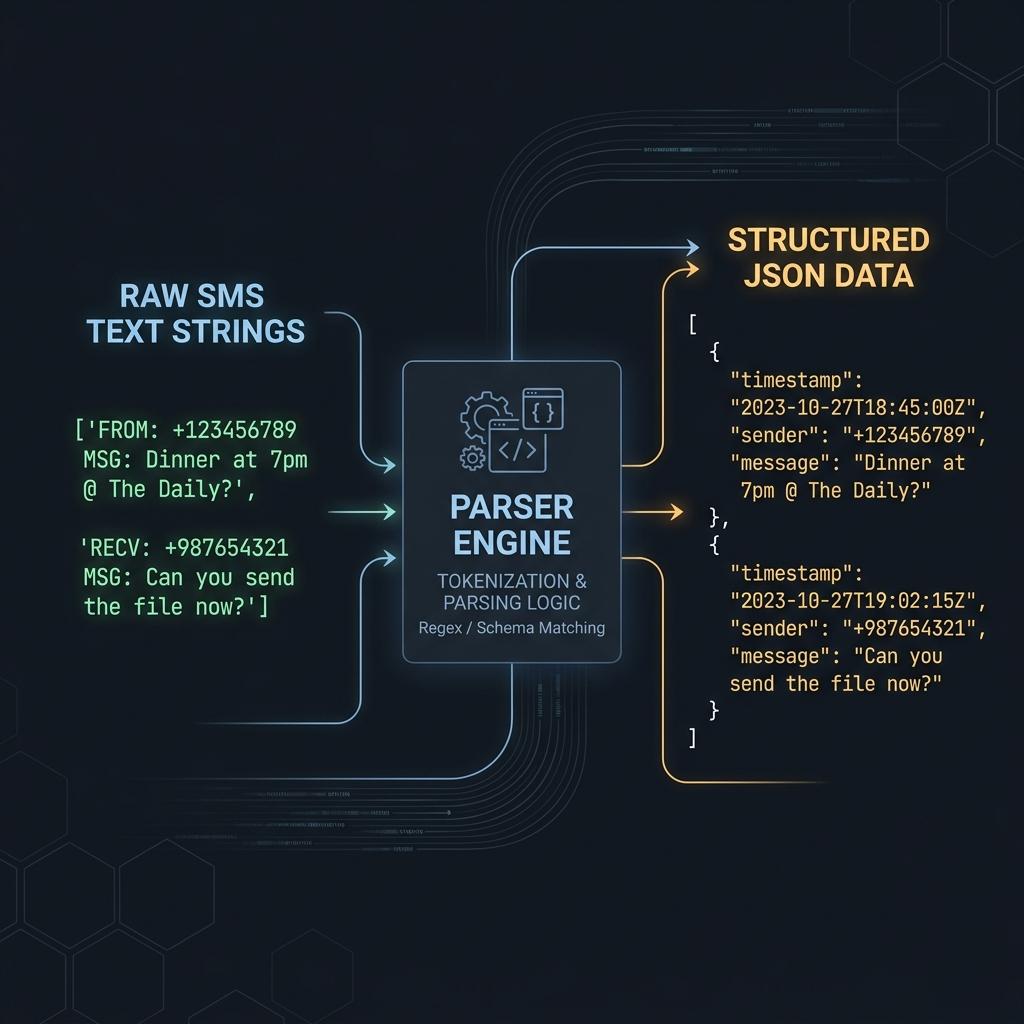
I utilized iOS Shortcuts Automations to act as the bridge. When a message from a specific sender arrives, the Shortcut triggers, parses the text using Regex, and sends the payload to the LogIt app.
By leveraging iOS Shortcuts Automations as a background trigger, a "zero-touch" experience became possible without ever needing message-reading permissions Apple would never grant.
Layout
[Placeholder] Room to document the layout grid, breakpoints, and responsive rules used across the dashboard and detail screens once formalized.
Interactions
[Placeholder] Room to document specific micro-interactions (e.g. category re-assignment, fee breakdown reveal) with before/after comparisons, similar in spirit to the update-flow explorations in the reference case study.
Visual Design
Mapping the transaction DNA.
14 patterns, one parser.
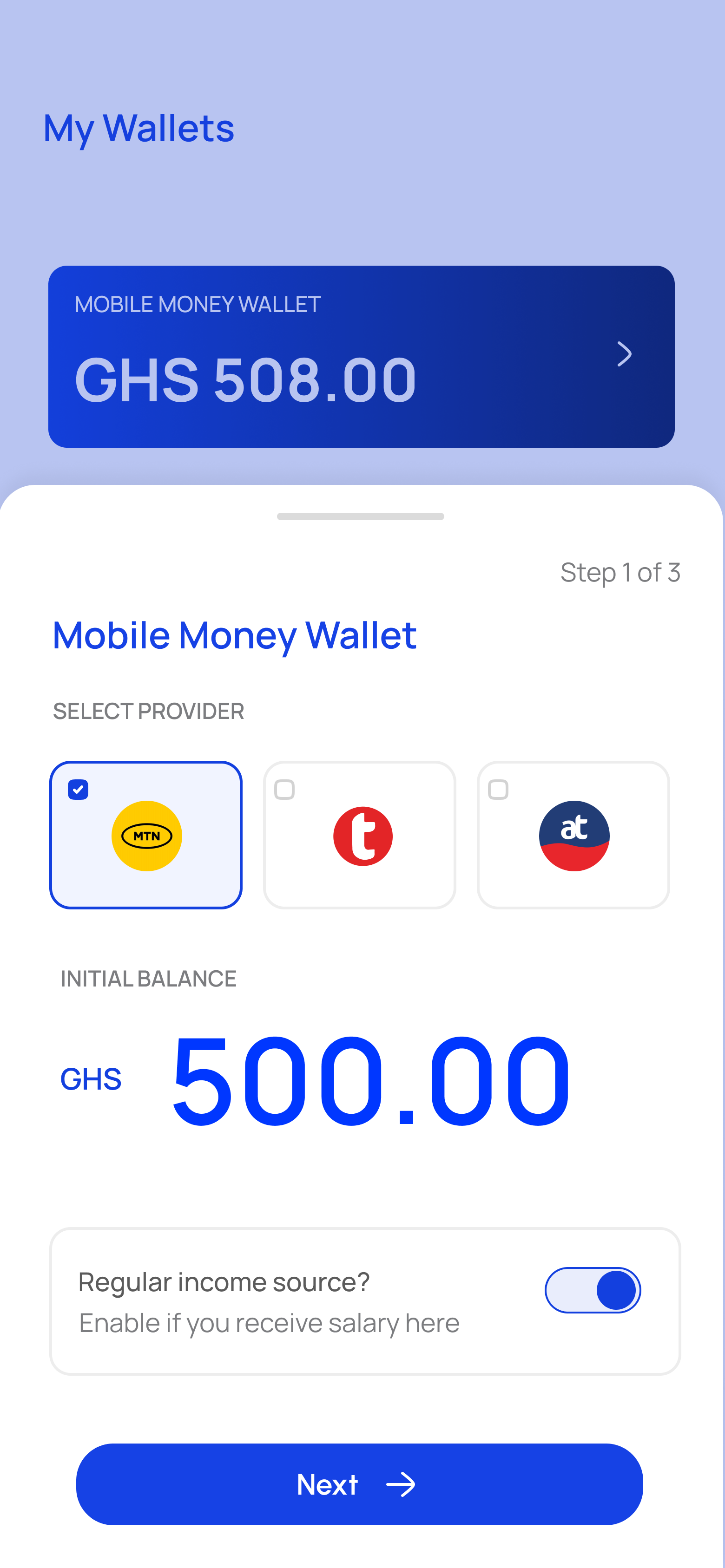
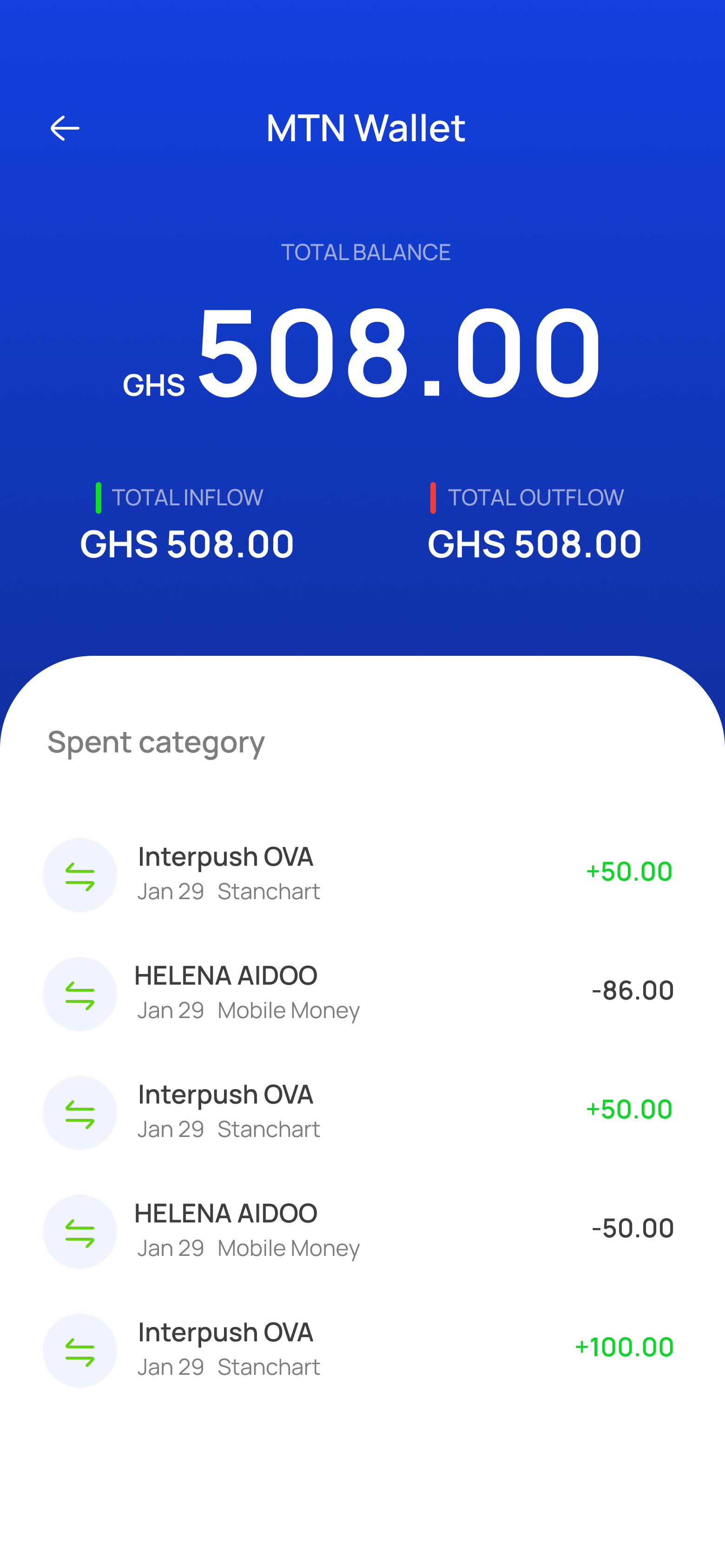
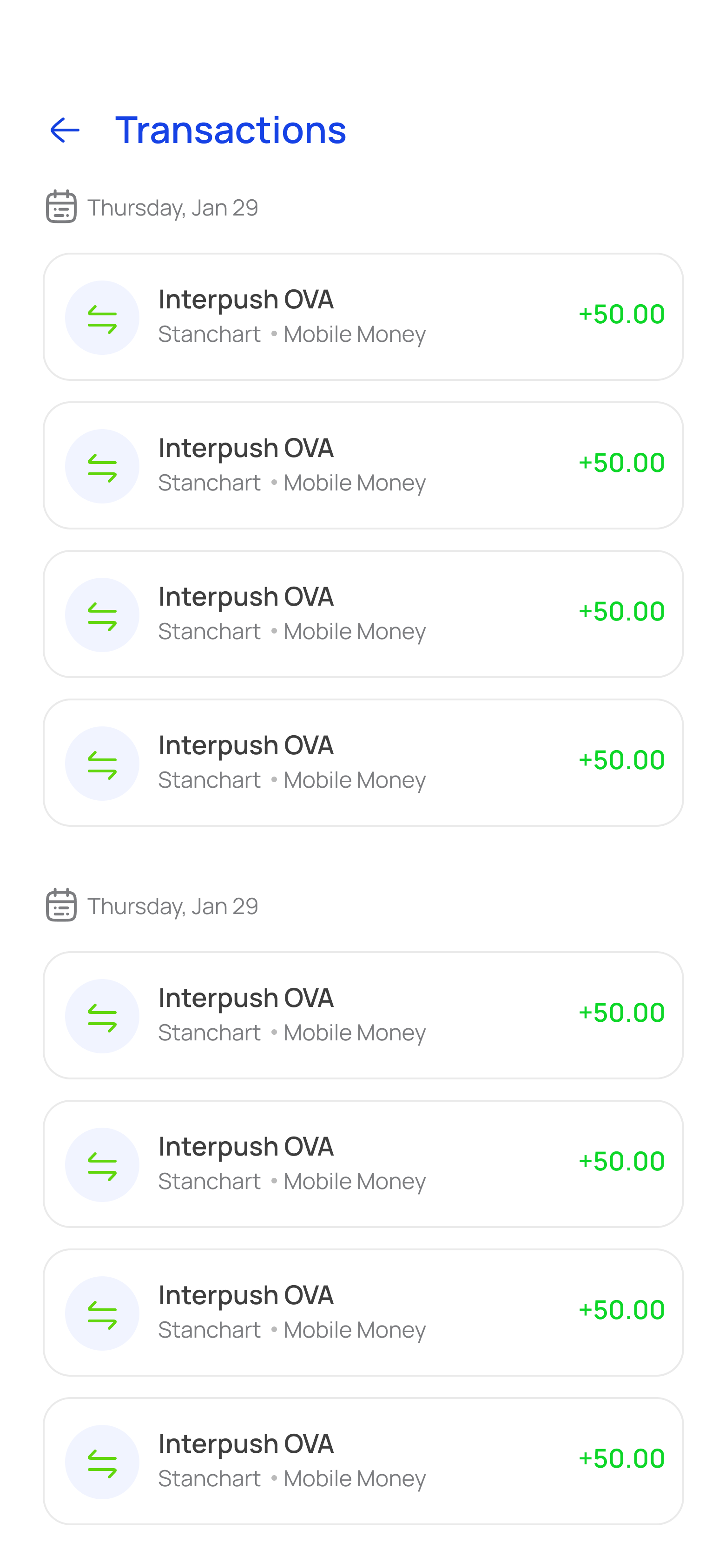
I mapped 14 distinct transaction patterns, from merchant payments to airtime top-ups. Each pattern has a unique "DNA" within the SMS body, so the parser can tell a "Cash-out fee" apart from a "Transfer amount" without confusing the two.
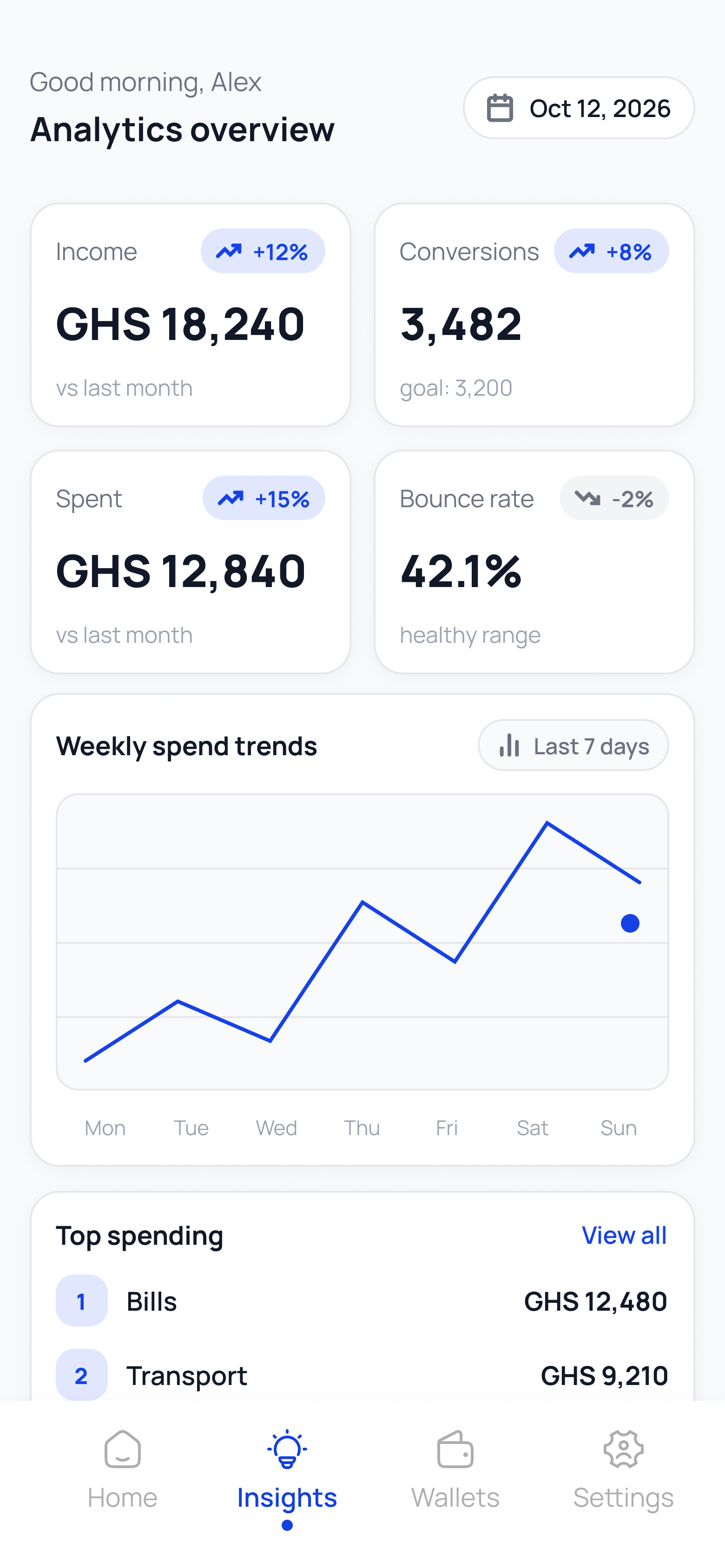
[Placeholder] Room for the design-system specifics: typography, color decisions for financial states (inflow/outflow/fee), and component documentation once written up.
Final Designs
Retrospective
Honesty as a design feature.
A frictionless benefit, hidden behind a system-level hurdle.
This project taught me that user experience isn't just about the interface you build. It's about the technical hurdles you hide. By leveraging iOS Automations, I turned a system-level hurdle into a frictionless user benefit.
- Constraints reveal the real interaction model.iOS's message-reading restriction forced a background-automation approach that ended up feeling more native than a bolted-on in-app inbox reader would have.
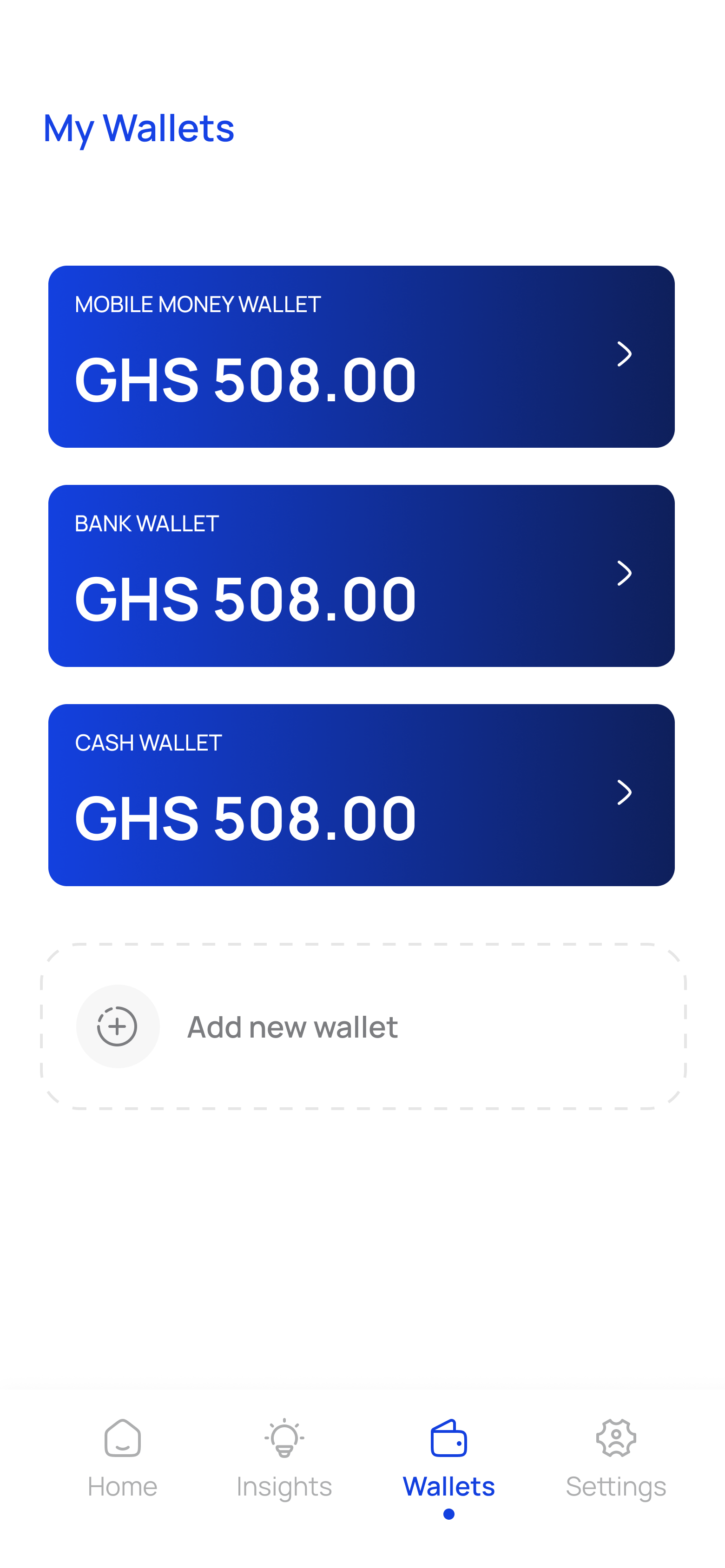
- Trust is the product, not a feature of it.In a market where fees are hidden and APIs are non-existent, honesty about every deducted fee is what makes the dashboard worth checking daily.
[Placeholder] Room for launch metrics (active users, parsing accuracy rate, retention) once LogIt ships publicly.